January 6, 2026
Regular maintenance and timely inspection of heating units are essential to ensure optimal performance and safety. Neglecting these critical steps can lead to a myriad of issues, both immediate and long-term. The heating unit's health impacts not only the comfort and safety of your living environment but also financial aspects such as energy costs and equipment longevity. Understanding the implications of delayed maintenance can aid homeowners in making informed decisions. This article explores the vital reasons why procrastinating on checking your heating system might be a costly mistake.
The Risks of Delayed Maintenance
When heating units are not regularly maintained, they tend to consume more energy than necessary. This inefficiency translates directly into higher energy bills, as the system struggles to maintain the desired temperature. Components may become worn, dirty, or misaligned, all of which can cause the system to work harder and less efficiently. Over time, these increased costs add up, far outweighing the expense of routine maintenance. Regular inspections and tune-ups ensure that your heating unit operates at maximum efficiency, saving you money in the long run.
Ignoring routine maintenance can significantly reduce the lifespan of heating equipment. This neglect allows wear and tear to accumulate unchecked, leading to more frequent breakdowns and the premature failure of components. According to This Old House, central air conditioners and heat pumps typically last 10-15 years, while furnaces can run for 15-20 years when well-maintained. Without regular care, reaching these expected lifespans becomes unlikely, necessitating costly replacements sooner than anticipated. Investing time in maintenance can prolong the life of your heating unit, maximizing your initial investment.
Unscheduled and frequent breakdowns can become a common occurrence if maintenance is postponed. Problems such as clogged filters, faulty thermostats, or worn-out belts that are not promptly addressed can escalate into more significant issues. Emergency repairs can be costly and inconvenient, particularly during peak seasons when demand for heating is high. Regular maintenance checks can identify minor issues before they escalate, preventing unexpected failures. Having a reliable heating unit provides peace of mind and ensures comfort throughout colder months.
Manufacturer Recommendations vs. Real World Practices
Manufacturers often provide specific guidelines on how frequently maintenance should be conducted for heating units. Generally, annual check-ups are recommended to ensure optimal performance and safety. These guidelines are based on research and testing under ideal conditions. Maintaining these schedules helps in achieving the expected lifespan mentioned by sources like This Old House. Following the recommended intervals can prevent issues from arising and keep the unit running efficiently and effectively.
Many homeowners believe that heating systems are more durable than they actually are, leading to complacency in maintenance. This misunderstanding often results in units being allowed to operate beyond their optimal condition, causing unnecessary strain. The belief that these systems require minimal attention can result in neglect, which diminishes their lifespan and efficiency. Heating units are complex systems that, like other machinery, need care to function as intended. Clearing up these misconceptions can encourage better maintenance practices.
In real-world scenarios, many users do not adhere to prescribed maintenance schedules due to various constraints like time, budget, or awareness. Personal usage habits also play a significant role in how often maintenance is required; for instance, a heating unit may need more frequent checks if it is used extensively. Some homeowners may mistakenly believe their unit's less demanding workload necessitates less frequent servicing. However, these discrepancies often lead to neglect, resulting in maintenance taking place only when an issue becomes apparent. Being proactive rather than reactive in maintenance helps mitigate unexpected complications.
Warning Signs That Indicate Immediate Attention Needed
Strange or loud noises emanating from a heating unit signify that it needs immediate attention. Such sounds often suggest that something is amiss with internal components like blowers, motors, or belts. Grinding or squealing noises may indicate worn-out or misaligned parts that need repair or replacement. Ignoring these cues can lead to severe damage or even a complete breakdown. Promptly addressing these auditory warning signs ensures that your heating unit continues to function smoothly without significant interruptions.
If some areas in your home remain cold while others are warm, it may be a sign of a malfunctioning heating system. This uneven distribution often results from issues such as ductwork problems, failing thermostats, or inadequate insulation. Poor zoning capabilities can lead to discomfort and increase energy consumption as the unit works overtime to compensate. If you notice uneven heating, it’s vital to have a professional assess the situation to identify and correct the underlying problem. Ensuring even heating throughout the home enhances comfort and optimizes energy use.
Unexplained increases in utility bills can be a telltale sign of a failing heating unit. As the system becomes less efficient due to wear and tear, it consumes more energy to satisfy the same heating demands. This inefficiency not only leads to heightened energy costs but also indicates underlying issues that need urgent resolution. Identifying and addressing the cause of increased energy consumption can help restore the system to optimal performance. Regular maintenance is essential to keep energy use in check and prevent utility bills from spiraling.
Best Practices for Regular Maintenance
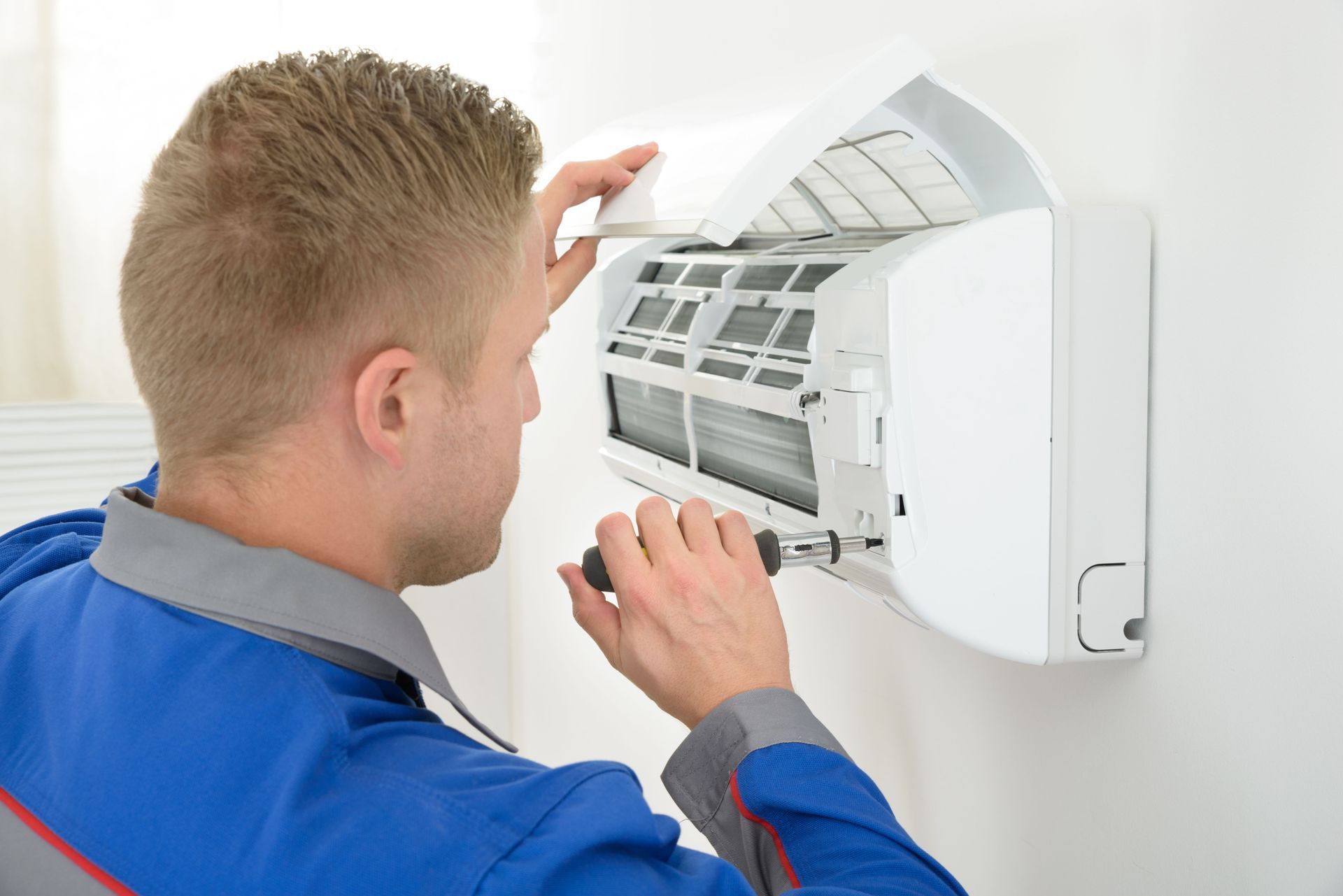
Scheduling regular professional inspections is a vital aspect of heating unit maintenance. Professionals have the expertise to identify potential issues that might not be apparent to homeowners. These experts can conduct thorough checks, perform necessary repairs, and provide valuable advice on servicing the unit. Generally, having your heating system evaluated at least once a year can prevent unexpected failures and maintain efficient operation. Routine inspections serve as a proactive measure, ensuring the heating unit functions smoothly throughout its expected lifespan.
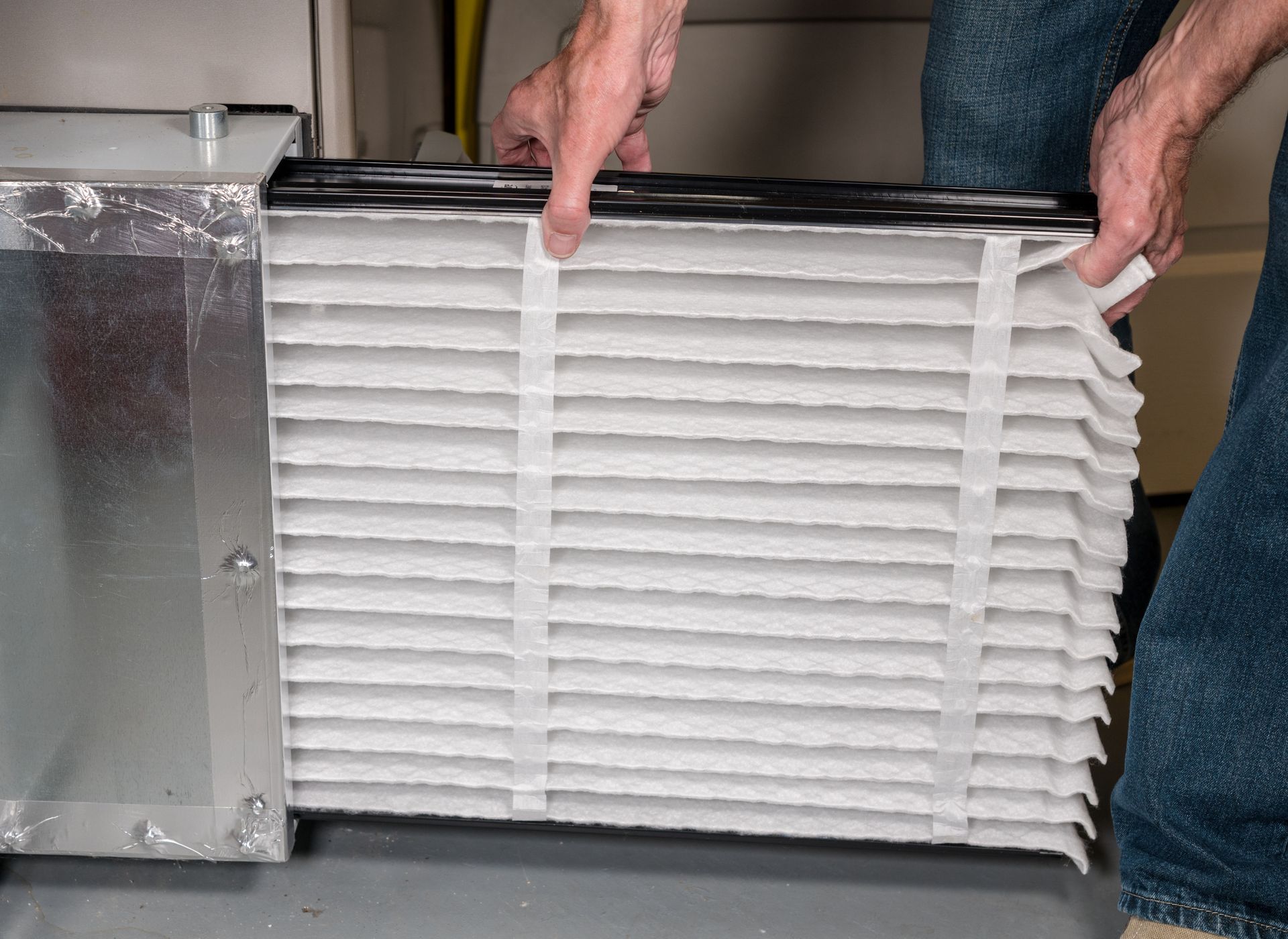
Homeowners can perform various DIY maintenance tasks to keep their heating units in top shape. These tasks include regularly replacing air filters, ensuring unobstructed vents, and cleaning the exterior of the unit. Performing these simple actions not only enhances the system's efficiency but also prolongs its lifespan. Ensuring that thermostats are functioning correctly and adjusting settings seasonally can optimize performance and energy use. Adopting consistent DIY maintenance practices is a cost-effective way to support a more extensive maintenance strategy.
Preparing your
heating
unit for the demands of different seasons is crucial for its optimal performance. Before the onset of winter, it is essential to ensure that the heating system is clean and in proper working condition. Checking insulation and weatherproofing around the home can reduce the burden on the unit, improving efficiency and comfort. In warmer months, protecting and storing portable heating systems ensures they are ready for the next cold season. Seasonal preparation helps prevent avoidable stress on the heating equipment, ensuring readiness year-round.
Understanding Warranty Implications
Following prescribed maintenance schedules is often a condition to retain warranty coverage for heating units. Neglecting these schedules can result in voided warranties, leaving homeowners financially responsible for any necessary repairs or replacements. Regularly serviced units not only maintain optimal function but also extend the life and validity of the warranty. This ensures that warranty terms act as financial protection against unexpected equipment failures. Adhering to maintenance schedules shields homeowners from unforeseen expenses and reinforces the investment in the equipment.
Heating unit warranties typically cover the cost of parts and labor for repairs due to manufacturing defects or failures within the specified term. However, they usually exclude regular wear and tear, damage resulting from misuse or improper maintenance. Understanding these limitations helps homeowners manage their expectations and maintenance strategies effectively. Reviewing the warranty's terms ensures that all maintenance actions comply with its requirements to retain coverage. Being aware of warranty coverage provides peace of mind and informs decision-making.
When making warranty claims, specific documentation is often required to verify compliance with maintenance guidelines. Keeping detailed records of all professional inspections, maintenance tasks, and any repairs can support warranty claims. This information validates that the unit has been appropriately cared for according to the manufacturer's requirements. Preparing complete and accurate documentation facilitates smoother processing and approval of warranty claims. Emphasizing organized record-keeping is essential in leveraging warranty protections effectively.
Regular maintenance and timely inspection of heating units are not mere operational formalities but essential practices for maintaining efficiency, safety, and sustainability. Procrastination can lead to a host of issues, from inflated energy bills and reduced equipment lifespan to health risks and environmental consequences. Homeowners are encouraged to embrace proactive maintenance strategies, combining professional services with DIY practices. Aligning real-world usage with manufacturer guidelines can help achieve optimal performance and extended equipment lifespans. By prioritizing maintenance, homeowners can mitigate risks and maximize the long-term benefits of their heating systems. Contact Oeffinger Crone Heating & Cooling Inc today for more information.