September 29, 2026
In today's world, optimizing home power consumption is a top priority for reducing overall energy use and minimizing environmental impact. The climate control system consistently stands out as the primary contributor to household power requirements. According to the U.S. Energy Information Administration, a standard household in the United States directs roughly 52% of its total power usage toward heating and cooling operations. This significant draw highlights the pressing need for professional intervention. Engaging an expert HVAC company revolutionizes energy efficiency in residential spaces. Through careful inspections, targeted equipment upgrades, and regular upkeep, these professionals help homeowners reduce their energy footprint. A qualified team brings the exact technical skills needed to ensure proper operation across all seasons.
Understanding Heating and Cooling
Heating and cooling systems are vital for maintaining comfortable indoor environments throughout the year. Each internal component of a climate unit serves a specific function to regulate temperature and manage airflow. Furnaces and heat pumps provide essential warmth during the winter months, while air conditioning units remove excessive heat and humidity during summer. The ventilation network ensures a consistent exchange of air, improving indoor conditions by filtering out airborne pollutants. Managing home power consumption begins with comprehending how these basic parts work together to condition the living space.
When homeowners understand their equipment, they make informed decisions about their operations and settings. Every unit must be properly sized and matched to the specific layout of a residence. If a system is too large or too small, it consumes excessive electricity to reach the desired room temperature. Incorrect sizing leads to short cycling, where the machinery turns on and off rapidly, which wastes immense amounts of power. A reputable HVAC company evaluates the geographic location, square footage, and structural layout of a home to determine exact requirements. This proper evaluation maximizes unit performance and minimizes unnecessary energy waste.
Conducting Audits and Inspections
A comprehensive energy audit is a detailed evaluation of how a home uses and loses electrical power. This evaluation identifies specific areas where power escapes and highlights realistic opportunities for energy conservation. During these assessments, professionals measure the efficiency of climate systems and meticulously inspect the surrounding infrastructure. They look closely at insulation levels, check for ductwork leaks, and assess overall structural airtightness. By pinpointing exact areas of weakness, homeowners can take targeted, effective steps to reduce their power demands.
Professionals use specialized diagnostic tools to gather empirical data during these thorough inspections. Thermal imaging cameras detect invisible areas of heat loss in the walls and ceilings, while blower door tests evaluate the overall airtightness of the structure. The data collected from these tests provides a complete picture of a property's energy profile. With this detailed report in hand, an HVAC company can recommend strategies tailored to the unique structural needs of the building. These tailored strategies turn power optimization from a guessing game into a clear, strategic effort.
Identifying Leaks and Flaws
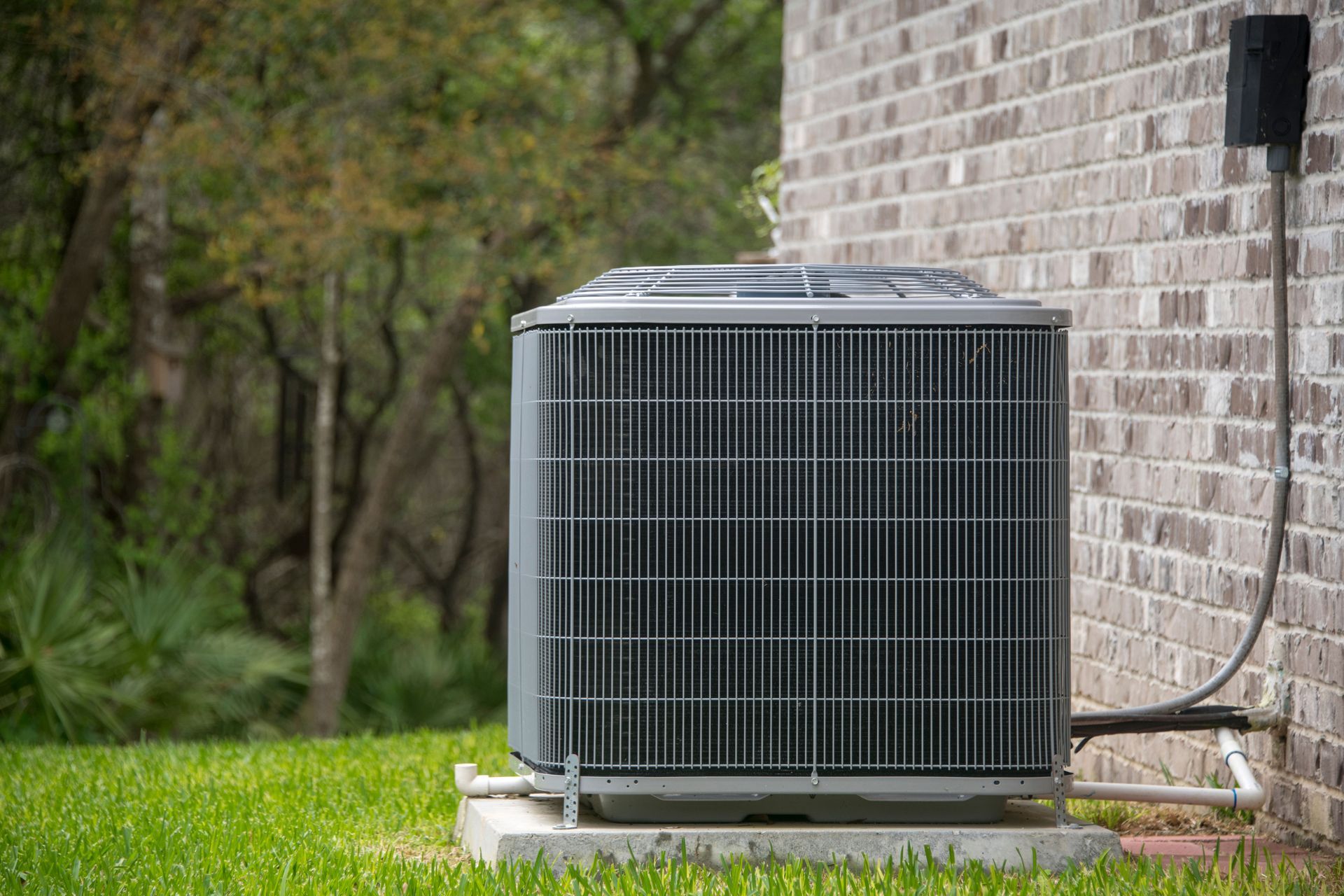
Many existing climate units operate with hidden mechanical flaws that lead to massive daily power drains. A common issue involves outdated models that completely lack the efficiency standards of modern machinery. Older systems operate with older compressor types and less efficient blower motors, demanding far more electrical power to achieve the exact same level of comfort. Another frequent flaw is improper system installation. Incorrect placement of an outdoor unit forces machinery to work much harder against restricted airflow, which spikes power usage dramatically.
Addressing these hidden mechanical flaws requires professional evaluation and rigorous diagnostic testing. A seasoned HVAC company conducts comprehensive diagnostic checks to reveal underlying issues like disconnected ductwork, obstructed vents, or failing blower motors. Unsealed ducts in unconditioned spaces like attics let conditioned air escape entirely before it ever reaches the designated living areas. By locating and sealing these leaks, the system pushes air exactly where it needs to go without working overtime. Rectifying these critical issues ensures the equipment runs at absolute peak efficiency throughout its operational lifespan.
Upgrading Components and Units
When older equipment no longer operates efficiently, upgrading internal components offers a direct path to lower home power consumption. High-efficiency climate systems utilize advanced engineering to provide superior temperature control with only a fraction of the power. Variable-speed motors and multi-stage compressors automatically adjust their output to meet the exact cooling or heating demand of the home. Instead of running at full capacity all the time, these modern units scale back their power draw during mild weather. This operational flexibility prevents massive electrical spikes and maintains a consistent indoor environment.
Sometimes, a full equipment replacement is the most effective way to optimize household energy use. Proactively replacing an aging furnace or heat pump before it completely fails guarantees reliable, efficient operation during extreme weather conditions. Modern system installations offer vastly improved heat distribution and superior overall airflow management. An experienced HVAC company will guide homeowners through the detailed selection process to find units with the highest seasonal energy efficiency ratios. Upgrading to modern climate units safely ensures the home remains comfortable while managing overall power consumption.
Performing Maintenance and Tune-Ups
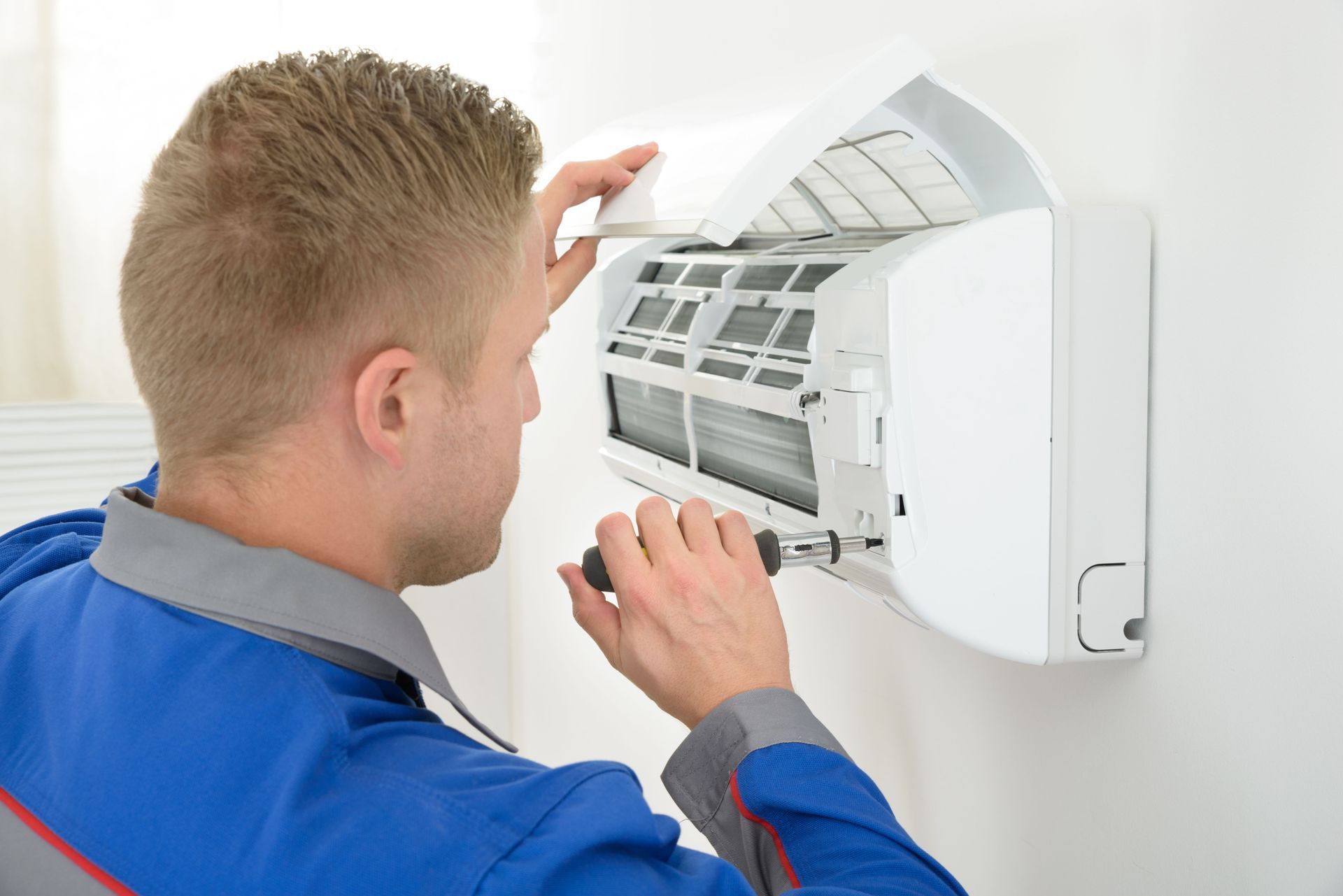
Regular maintenance remains the most effective long-term strategy for preserving the electrical efficiency of climate control equipment. Routine tune-ups keep machinery running smoothly, which prevents the system from straining to maintain set room temperatures. During a standard service visit, technicians clean essential internal components like evaporator coils and blower wheels. When dirt and debris cover these parts, the system must use significantly more power to push air through the physical blockages. Keeping the internal mechanisms pristine allows the unit to function with minimal electrical resistance.
Professional tune-ups catch small mechanical problems long before they escalate into major electrical failures. Technicians lubricate moving parts to reduce friction, which reduces the continuous electrical load on blower motors. They also check exact refrigerant levels, as a unit with low refrigerant will run continuously and drain immense amounts of power. Relying on a dedicated HVAC company for seasonal maintenance ensures the system is fully prepared for the heavy peak demands of summer and winter. This proactive upkeep extends the functional lifespan of the equipment while keeping power demands low.
Enhancing Ventilation and Airflow
Proper ventilation is just as critical to energy optimization as the main heating and cooling units themselves. A well-designed ventilation network balances the air pressure throughout the home, ensuring that conditioned air reaches every single room evenly. When airflow becomes restricted due to poor duct design or blocked registers, the main unit runs longer cycles to compensate for the pressure imbalance. This extended run time is a major hidden source of wasted power. Optimizing the ductwork and ventilation pathways allows the system to distribute air with far less mechanical effort.
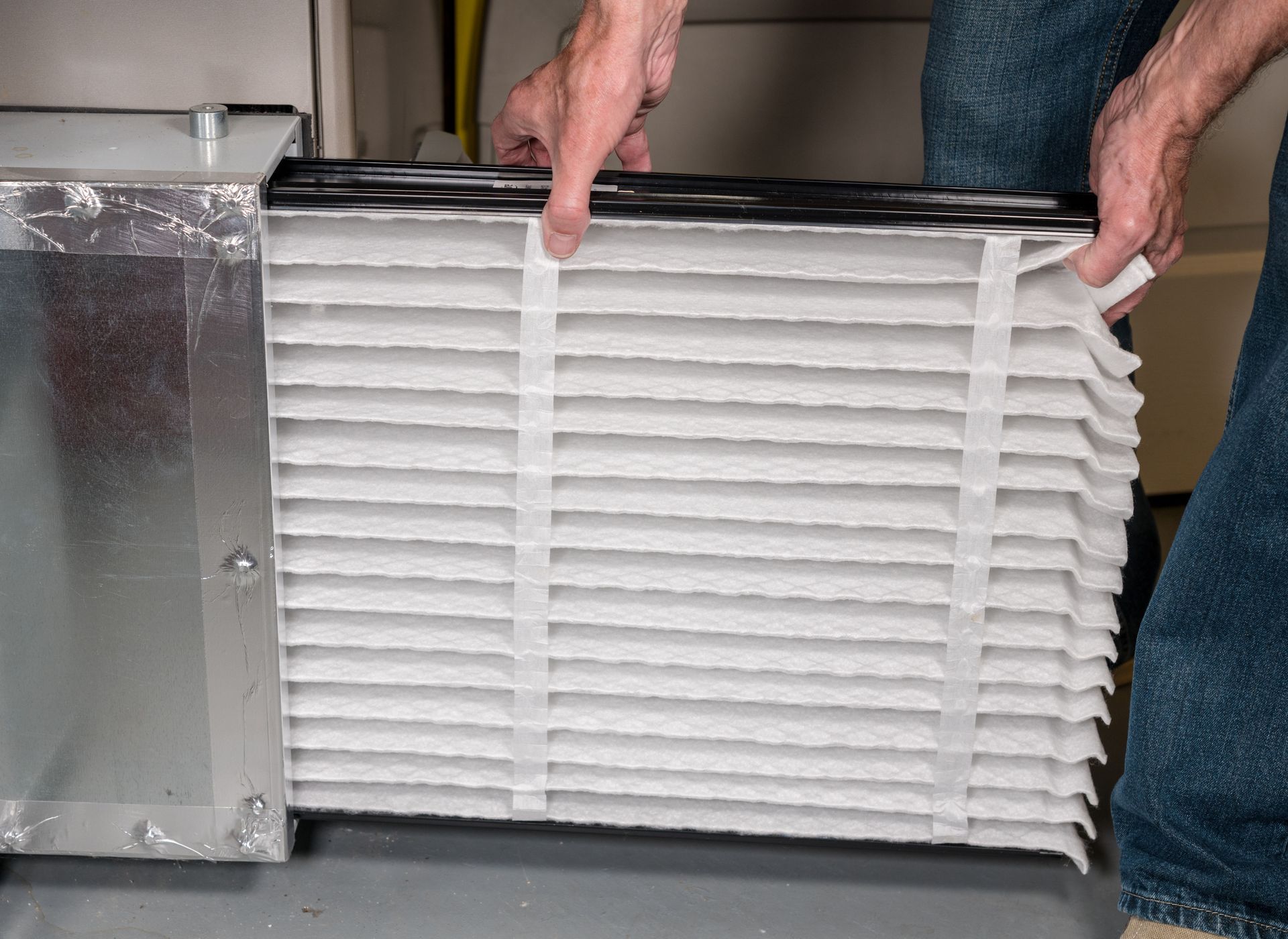
Upgrading filtration systems is another highly effective way to enhance airflow and manage daily power usage. Standard fiberglass air filters often clog very quickly, which severely restricts the air intake and forces the blower motor to pull much harder. Installing advanced air quality systems like thick media filters provides excellent purification without choking the system. A professional HVAC company can balance the ductwork, clear obstructions, and install the appropriate high-efficiency filtration devices. These airflow enhancements create a much healthier indoor environment while taking a massive workload off the primary climate equipment.
Optimizing home power consumption requires a highly proactive approach and a deep understanding of residential climate control systems. By evaluating existing setups, finding hidden mechanical flaws, and implementing high-efficiency unit upgrades, homeowners can drastically reduce their overall environmental impact. Routine seasonal maintenance and properly balanced airflow keep these systems running smoothly without drawing excessive household electricity. Prioritizing these fundamental steps transforms a standard residence into a highly efficient living space. If you are ready to evaluate your system and reduce your power consumption, contact us at Oeffinger Crone Heating & Cooling.