October 29, 2026
In the evolving field of HVAC, aging equipment presents a unique set of challenges and considerations for contractors. HVAC systems are crucial for maintaining comfortable indoor conditions, yet they are often overlooked until a significant malfunction occurs. Understanding the nuances of assessment processes for aging equipment can help homeowners prepare for inspections and anticipate potential issues. This article explores the critical elements that HVAC professionals assess when evaluating older systems. By doing so, homeowners can understand what to expect during an inspection and the importance of timely maintenance and upgrades.
1. Operational Efficiency Assessment
Operational efficiency is a top priority when HVAC contractors assess an old system. Contractors begin with a power consumption analysis, where they compare the energy usage of a current system to its expected or past consumption levels to determine efficiency. Older units may draw more power due to internal deterioration, age-related wear, and suboptimal performance. Contractors also explore seasonal variations in performance, as some units may perform well in one season but not another. These evaluations help suggest whether the system's operational inefficiency stems from age or if there's an immediate fixable issue.
Output performance testing is another vital step in assessing an HVAC system's operational efficiency. Technicians measure how well the system meets the desired temperature and humidity levels against what it's designed to achieve. Inconsistencies often indicate deeper issues such as worn-out parts or leaks in ductwork. Testing output performance ensures that the system not only starts but also maintains optimal conditions over time. With precise data, contractors can make informed recommendations regarding maintenance or potential upgrades for better energy efficiency.
Next, contractors focus on equipment wear and tear evaluation, often the most telling sign of aging. Historical maintenance records are invaluable in this regard, providing insight into recurring problems and how those were addressed. According to This Old House, if your HVAC is over 15 years old, it's time to look into a replacement, regardless of present condition. This age factor is influenced by technological advancements and changes in efficiency standards. Thus, a detailed review of these records offers contractors a clearer perspective on the equipment's longevity and maintenance needs.
2. Inspection of Mechanical Components
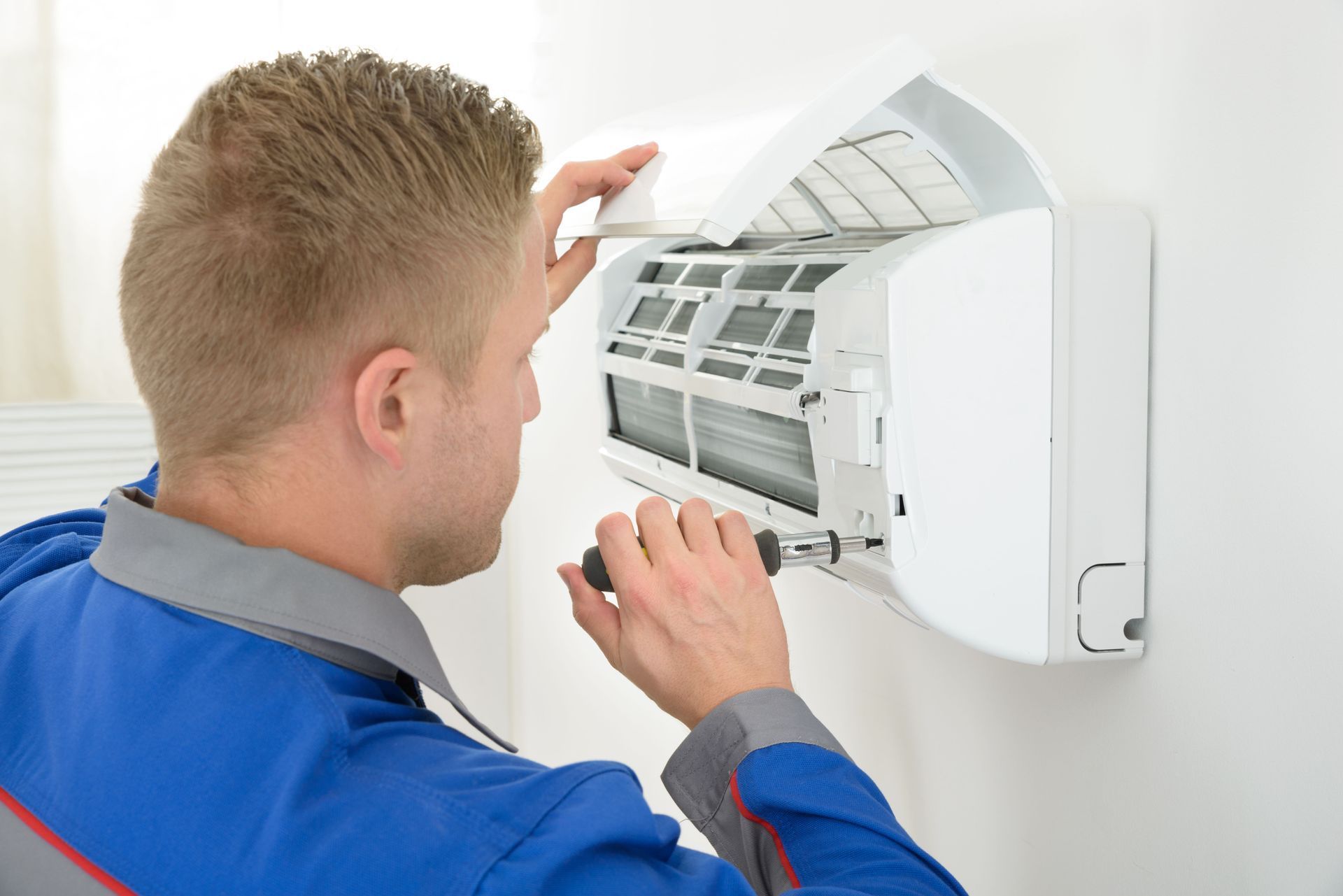
Mechanical components are at the heart of any HVAC system, and their condition directly affects overall performance. The compressor, often referred to as the heart of the system, is one of the first components contractors will check. If the compressor is not functioning optimally, the entire system will likely struggle to maintain desired temperatures. Contractors listen for unusual noises, check for overheating signs, and evaluate the age of the compressor as part of their inspection protocols. This scrutiny helps determine whether a replacement or few repairs are necessary to ensure ongoing performance.
Another crucial element of inspection involves examining fans and belts. These components are pivotal in ensuring airflow throughout the HVAC system. Age can cause belts to become brittle and fans to lose their efficiency, both of which impede the system's overall effectiveness. By examining these parts, contractors can identify wear that leads to inefficiencies or potential breakdowns. Regular inspections and replacements as needed can prolong the life of the system and enhance performance.
Heat exchanger condition is equally scrutinized, as it's integral to a system's efficiency and safety. Rust, cracks, or corrosion in the heat exchanger can lead to dangerous leaks, such as carbon monoxide, posing severe health risks. Contractors employ visual inspections and specialized tools for detecting issues in the heat exchanger. They also evaluate the ductwork for any signs of negative impact on internal air quality and system efficiency. This thorough examination is key in maintaining both the safety and performance of HVAC systems.
3. Electrical Systems and Safety Checks
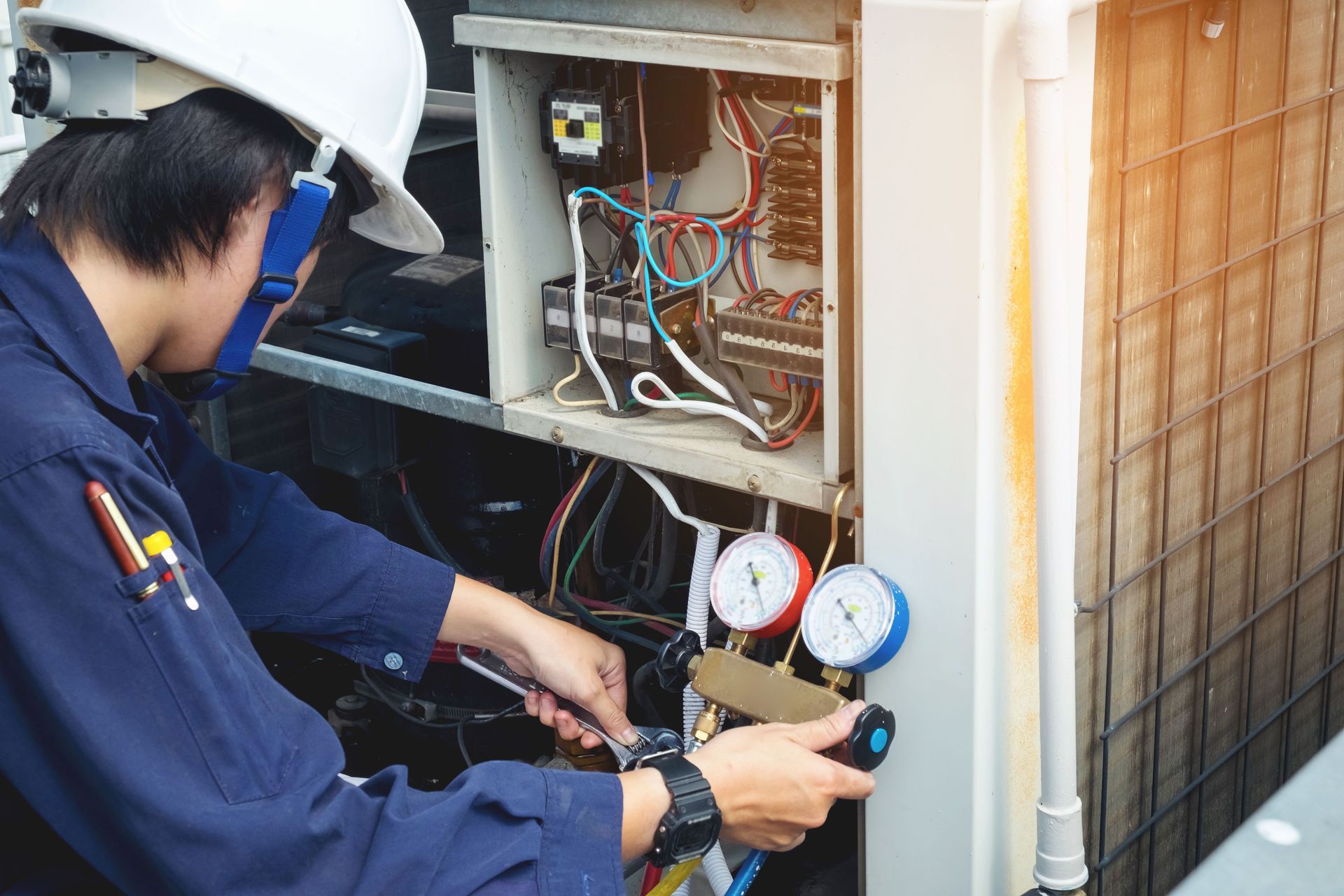
Electrical systems within an HVAC unit require rigorous inspection due to their complexity and importance. Inspecting wiring and connections ensures electrical integrity, reducing the risk of shorts or malfunctions. Over time, wires may become frayed or connections can loosen, which can impede the system's efficiency or even pose fire hazards. Contractors will ensure wiring is intact, secure, and adheres to contemporary safety standards. This inspection acts as a safeguard against immediate electrical issues and long-term failures.
Control systems, including thermostats and remote-control units, play a crucial role in maintaining desired climate conditions. Contractors examine whether these controls are functioning correctly and accurately. Malfunctioning controls might misrepresent temperatures or fail to activate necessary system components. Ensuring these systems operate efficiently is critical to achieving proper climate regulation and energy efficiency. Contractors check both hardware and software components to ensure operational precision.
Finally, contractors inspect fuse and circuit breakers, along with safety switches and relays, that contribute to overall electrical safety. This examination helps identify outdated or overburdened components that may need an upgrade to handle the system's electrical load. Timely identification and resolution of issues related to fuses and breakers prevent potential system shutdowns and reduce safety risks. Such checks reaffirm the reliability of the electrical framework supporting the HVAC system, ensuring users' safety and operational efficiency.
4. Refrigerant and Airflow Assessment
Managing refrigerant and airflow is essential for HVAC efficiency. Contractors begin with leakage detection, as any refrigerant loss can significantly diminish system performance. Leaks not only affect cooling effectiveness but could also pose environmental harm due to refrigerant escape. Utilizing various detection techniques, contractors can pinpoint and address leaks before they lead to larger failures. This proactive approach ensures the system continues to operate efficiently and safely.
Furthermore, assessing refrigerant charge levels is vital in maintaining optimal cooling or heating. Insufficient refrigerant can stress compressors and other components, leading to premature wear. Contractors use measurements and calculations to ensure systems have the right amount of refrigerant according to manufacturer guidelines. With proper levels, the system can achieve its designated efficiency without undue strain on components. Maintaining accurate refrigerant levels ensures both comfort and efficiency.
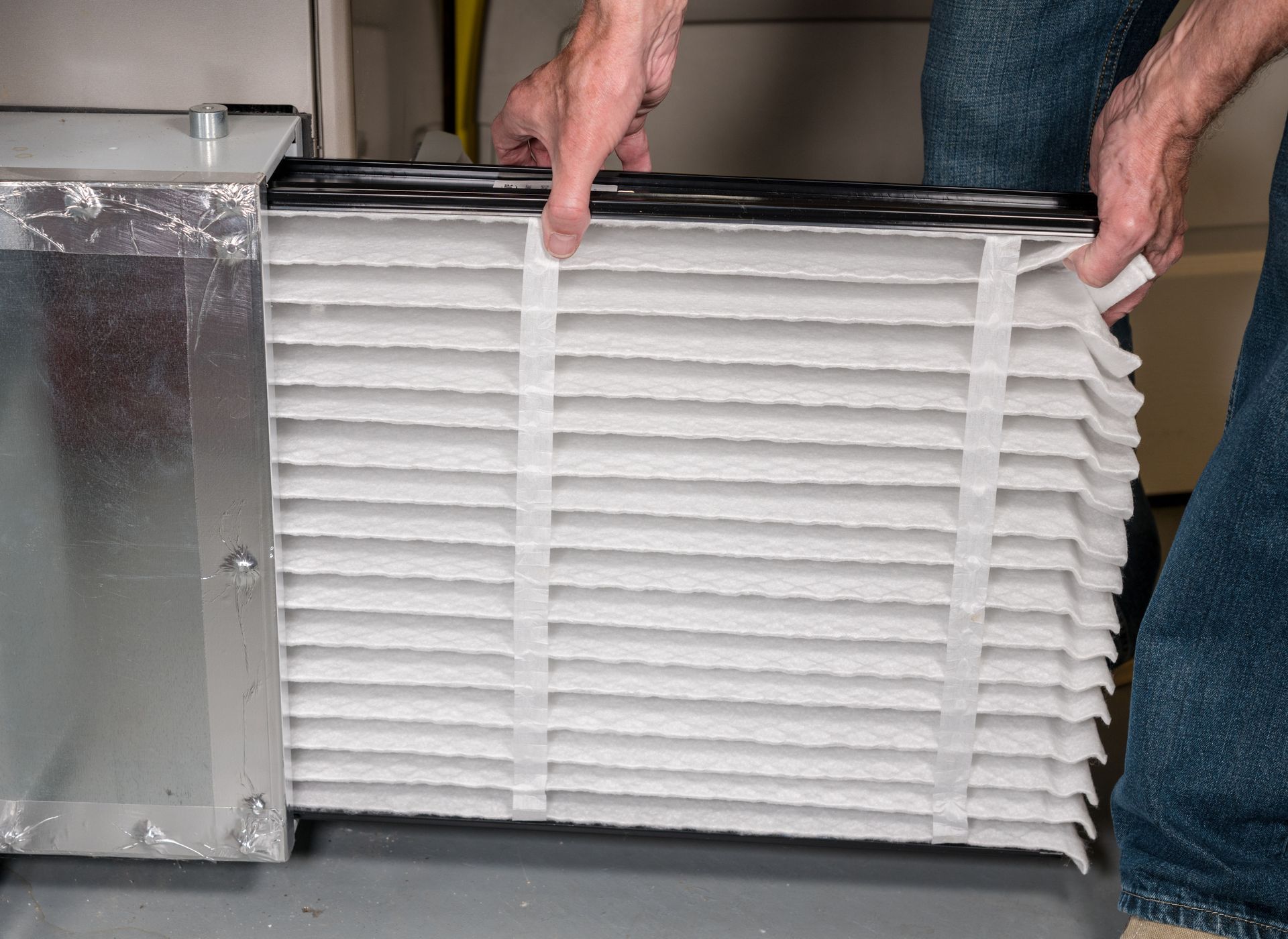
Finally, airflow measurement and adjustments are critical to ensure balanced distribution across the conditioned space. Contractors assess the performance of air filters and the quality and distribution of the airflow. Dirty filters or obstructions can lead to decreased efficiency, uneven heating/cooling, and increased energy consumption. By tackling these issues, contractors help maintain smooth, efficient airflow. These checks ensure that all parts of a home or building receive equal conditioning and that the system doesn't work harder than necessary to achieve desired temperatures.
5. Cost-Benefit Analysis and Decision Making
Conducting a cost-benefit analysis is critical in deciding whether to repair or replace aging HVAC equipment. Assessing the cost of repairs versus replacement provides homeowners with a clearer financial picture. This decision is often guided by the expectation of increased efficiency and reduced ongoing repair costs. Understanding these trade-offs helps homeowners make sound investment decisions that enhance their property's comfort and value.
Potential savings from improved efficiency and its impact on property value are often highlighted by HVAC contractors when advising clients. An upgraded system can dramatically decrease energy costs, especially if the previous one was inefficient. Enhancements in efficiency can also boost a property's market value, particularly in regions where buyers prioritize energy-efficient homes. Additionally, contractors assess customers' preferences and budget considerations to tailor their recommendations. This personalized approach ensures optimal comfort, efficiency, and property value improvement for each individual situation.
Assessing aging HVAC equipment involves a comprehensive review of multiple system components and factors. By understanding what contractors look for, homeowners can better plan for maintenance and make informed decisions about repairs, replacements, and upgrades. This ensures long-term comfort, safety, and efficiency, ultimately contributing to a sustainable living environment. Investing in reliable and efficient HVAC systems benefits both the homeowner and the broader community through enhanced comfort, value, and reduced environmental impact. The knowledge gained from expert evaluations arms homeowners with the confidence to make strategic decisions regarding their HVAC systems. If you're looking for reliable HVAC contractors, reach out to our team at Oeffinger Crone Heating & Cooling Inc today!