What AC Companies Wish Homeowners Knew
Maintaining a cool, comfortable indoor environment is a major part of running a stress-free household, especially when the peak heat of summer arrives. When outdoor temperatures climb into dangerous territory, your home's cooling system transforms from a basic luxury appliance into a critical piece of safety infrastructure. Because these complicated mechanical networks rely on fine electrical components, high-pressure refrigerants, and precise airflow balancing, they require expert care to operate efficiently. Many homeowners mistakenly treat cooling maintenance as a casual DIY project or wait until hot air blows from their vents before calling the closest technician they can find online. Unfortunately, relying on unverified, cut-rate contractors or postponing service frequently turns a minor mechanical issue into a costly, high-stress breakdown. Partnering with authorized, licensed teams is the smartest way to protect your machinery and preserve your family's daily comfort.
Prioritizing elite craftsmanship and timely communication over panic-induced decisions is an essential step that actively protects your property value and your seasonal sanity. During peak summer heatwaves, service dispatch centers face an absolute flood of emergency calls from stranded families, creating massive scheduling bottlenecks across the industry. Understanding how field diagnostics and scheduling logistics operate behind the scenes can help you navigate a system failure without unnecessary frustration. According to Workyard HVAC Facts, 55% of negative HVAC reviews stem from repair delays, with prompt AC repairs restoring full cooling capacity 90% faster than waiting for complete system replacement during peak heat waves. Knowing what to look for and how to prepare before a breakdown occurs keeps your family comfortable and saves your household budget from unexpected expenses. Working with established AC companies allows you to sidestep five common comfort mistakes and keep your cooling infrastructure running all season flawlessly long.
Swapping Out Clogged Filters Protects Vital System Airflow
The first major secret that professional technicians wish every property owner understood is just how much damage a simple, dust-covered air filter can inflict on an entire heating and cooling system. Your cooling framework requires a continuous, unhindered stream of air passing over its internal coils to extract heat from your living spaces. When dust, pet dander, and household lint cover fabric, your blower motor has to work twice as hard to pull air through the system.
This intense, unnecessary strain places immense physical stress on your fan assembly and electrical circuits, frequently causing components to burn out completely. Furthermore, restricted airflow can cause the internal temperature of your evaporator coil to drop below freezing, turning normal condensation into a solid block of ice that chokes off your cooling power. Changing your air filter every 30 to 90 days clears the path for smooth airflow, allowing your system to chill your home quickly. Prioritizing this basic chore prevents ice-related breakdowns, lowers your monthly electricity bills, and reduces the need to call local AC companies for preventable repairs.
Clearing Outdoor Cabinet Debris Restores Crucial Heat Exchange Functions
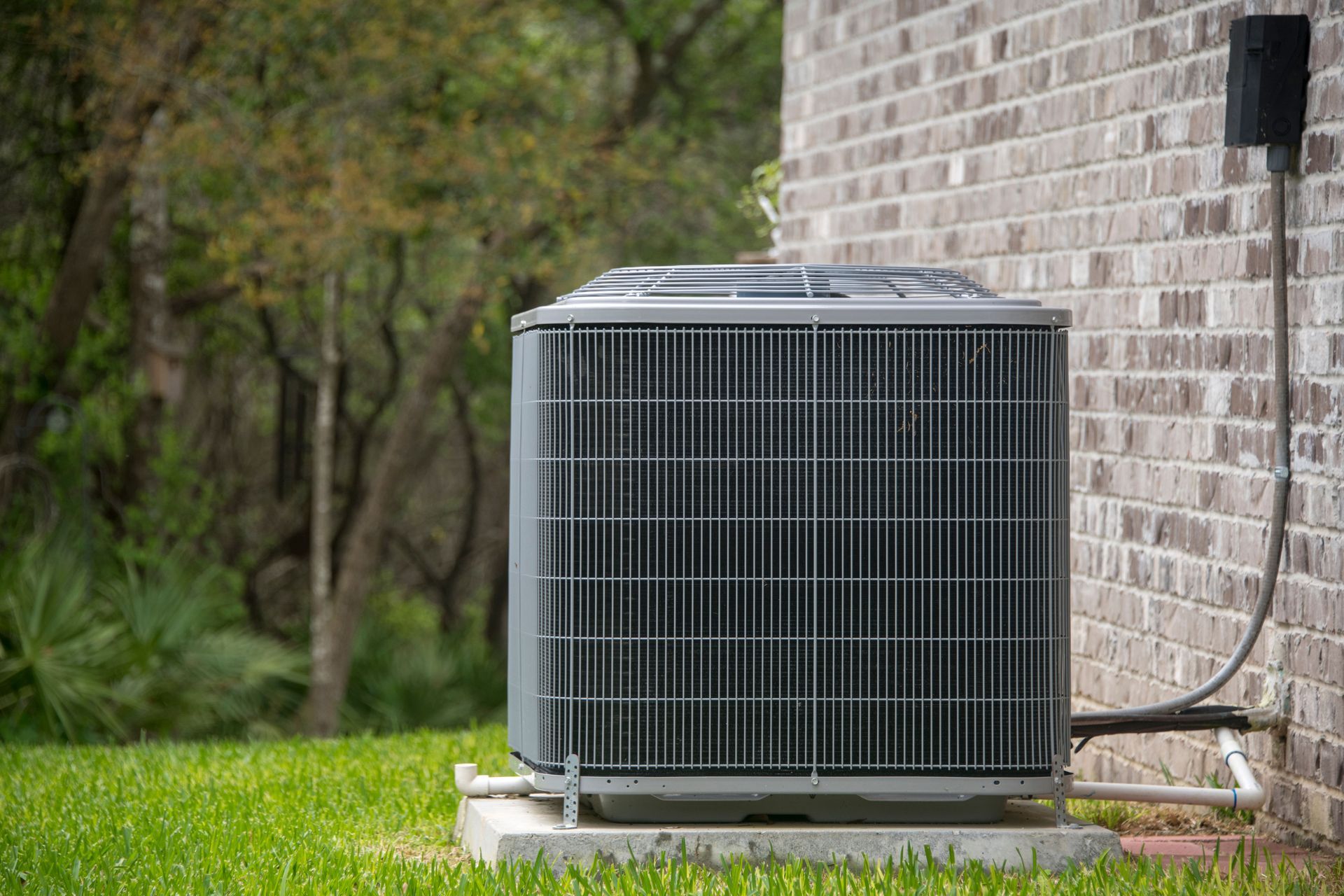
The large metal cabinet sitting outside on your concrete pad serves as the primary dumping ground where your system vents all the trapped heat gathered from inside your house. For your system to successfully dump this thermal energy, the metal fins surrounding the outdoor condenser coil must remain completely clean and unblocked. Over a typical spring and summer season, loose grass clippings, fallen tree leaves, weeds, and blowing dirt can pack tightly into the delicate metal slats.
When a thick layer of yard debris blankets the outdoor coil, it traps heat inside the mechanism exactly like an insulating blanket. This thermal accumulation forces your high-pressure compressor to operate under extreme, hazardous temperature ranges, which can easily crack internal valves and lead to devastating, high-cost failures. Taking the time to spray down your outdoor cabinet gently with a garden hose and trim back nearby bushes ensures excellent heat exchange. Keeping this exterior space clear allows your system to cycle off normally, saving your expensive compressor from terminal failure and sparing your budget from emergency calls to AC companies.
Checking Internal Drainage Lines Minimizes Destructive Indoor Water Damage
An air conditioning system does far more than just lower the indoor temperature of your house; it also functions as a powerful dehumidifier, pulling gallons of excess moisture out of stagnant indoor air every single day. This extracted moisture drips off the internal evaporator coils and collects inside a plastic condensation pan before flowing safely out of your home through a dedicated PVC drain line. Over time, algae, dust, and biological slime can accumulate inside this dark, wet pipe, forming a thick clog that stops the water from draining.
When the drain line is fully blocked, the condensation pan will rapidly overflow, spilling gallons of dirty water straight into your drywall ceilings, carpets, and structural wood framing. Many modern systems feature an automated safety float switch designed to shut down the cooling unit completely before an overflow occurs, which often prompts homeowners to contact local
AC companies in a panic over a "broken" system. Routinely pouring a cup of simple white vinegar down your condensate drain line keeps the pipe clean and fully open.
Setting Steady Thermostat Schedules Lowers Extreme Mechanical Component Stress
While setting your digital thermostat to an ultra-low temperature on a sweltering afternoon might seem like a fast way to cool a warm room, it does not actually make the air conditioner blow air any faster or colder. Your system is engineered to run at a single, consistent speed until the indoor air matches the target setting on the wall. Forcing your system to struggle toward an unachievable temperature on an exceptionally hot day simply keeps the heavy-duty mechanical components running for hours without a break.
This continuous operation rapidly wears down your system's moving parts and causes delicate electronic switches and capacitors to fail under heat stress. Establishing a steady, moderate temperature schedule gives your machinery essential operational breaks throughout the day, preserving the integrity of your system. Minimizing this daily running stress protects your delicate electrical control boards from giving out early, cutting your monthly utility bills significantly.
Sustaining a cool, safe, and highly efficient home environment over the long term requires a steady combination of smart daily adjustments, clean filtration habits, and professional structural protection. Your residential cooling network serves as the vital backbone of your indoor summer comfort and your primary shield against extreme outdoor weather hazards, meaning that attempting to ignore slow airflow or relying on unverified temporary patches will only lead to disappointing cooling performance and catastrophic mechanical failures down the road.
Stepping away from passive maintenance habits and investing your energy into a proactive, well-managed care plan is the absolute best way to insulate your household budget from unexpected component breakdowns and premature equipment replacement costs. By aligning your property care routine with a disciplined cooling protection strategy, you successfully safeguard your short-term home improvement budget and secure your long-term real estate equity.
When you take the time to prioritize clean air filters, unobstructed outdoor coils, and precise thermostat schedules for your cooling system, you unlock higher daily convenience, eliminate annoying system vibrations, and gain total confidence in your equipment. If you notice your vents are blowing weak air, hear strange rattling noises inside your utility closet, or realize you have passed your milestone system service date, do not wait for a complete cooling emergency to take action. Visit Oeffinger Crone Heating & Cooling Inc. online today to view your customized maintenance plans, explore energy-saving upgrades, and schedule a professional comfort consultation to ensure you stay ahead of the summer heat.


Share On: