March 4, 2026
Selecting the right approach to heating a home is an important decision that affects comfort, energy use, and long-term household costs. Many homeowners focus on equipment alone, but efficiency is shaped just as much by the quality and scope of the services supporting that equipment. From system selection and installation to maintenance and seasonal adjustments, heating services play a central role in how effectively a home stays warm during colder months. Understanding what efficiency means in practical terms can help households make choices that align with both performance goals and daily living needs.
Understanding Household Heating Needs
Every home has unique heating requirements shaped by its size, age, and construction. A smaller, well-insulated house may need a very different solution than a larger or older property with draft-prone areas. Before selecting heating services, it is important to assess how heat moves through the home and where losses may occur. Rooms that consistently feel colder or areas with fluctuating temperatures can signal underlying issues that should be addressed alongside equipment choices.
Lifestyle factors also matter. Households with varying schedules may benefit from zoning or programmable controls, while families home throughout the day might prioritize steady, consistent warmth. Heating services that begin with a detailed evaluation of household needs help align system capabilities with how the space is actually used. This approach reduces the likelihood of overworking equipment and helps maintain balanced temperatures across all living areas.
Considering plans is equally important. Renovations, additions, or changes in occupancy can all affect heating demands. By discussing these possibilities early, homeowners can select heating services that support both current needs and potential changes. This forward-looking perspective helps avoid costly adjustments later and contributes to a more adaptable heating strategy.
Comparing System Efficiency Options
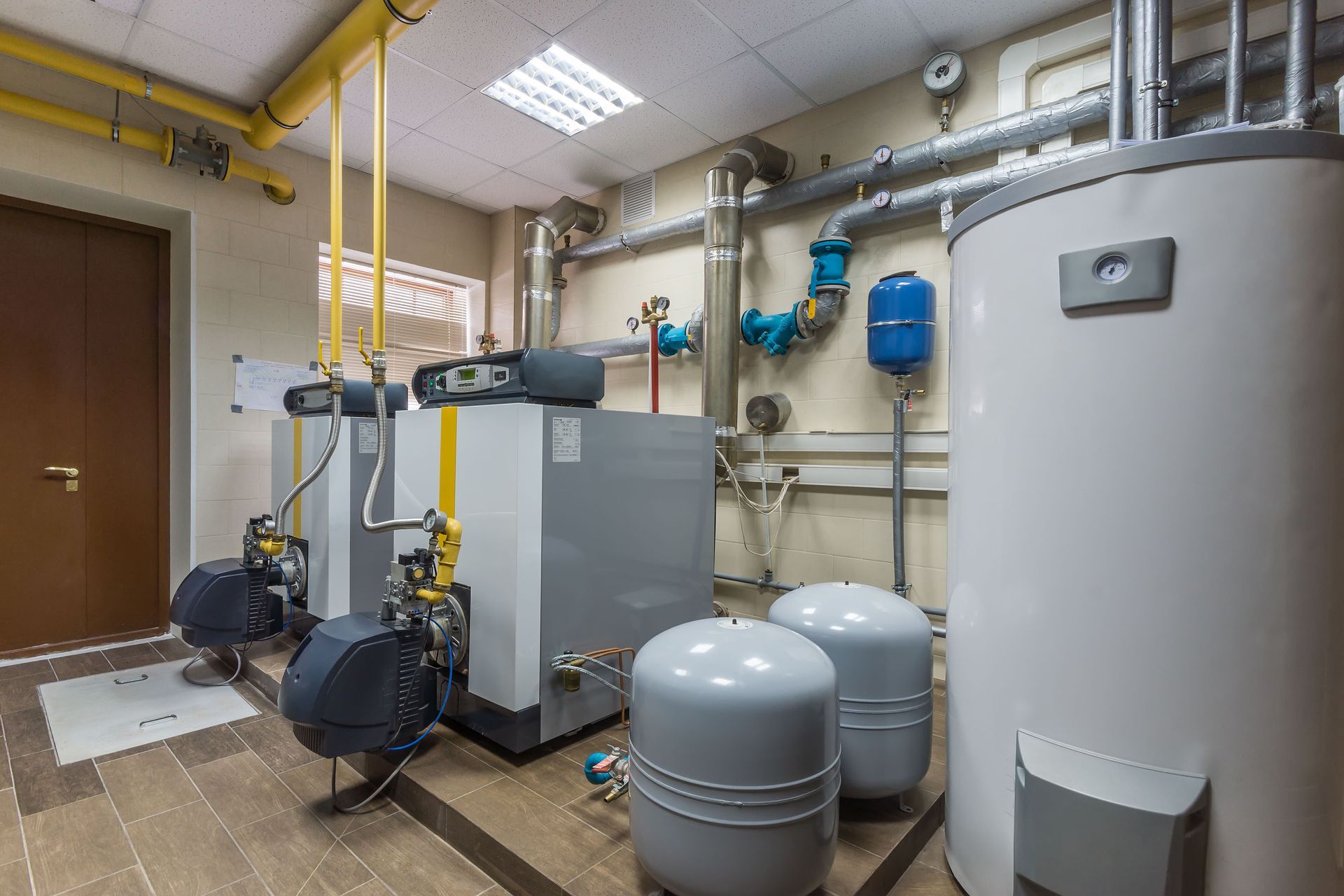
Not all heating systems deliver the same level of efficiency, and understanding these differences is essential when evaluating options. Furnaces, boilers, and heat pumps each operate differently, and their efficiency ratings provide insight into how effectively they convert energy into heat. According to This Old House, standard furnaces typically operate at an Annual Fuel Utilization Efficiency of about 80%, meaning they convert 80% of their fuel into usable heat, while high-efficiency models can reach AFUE ratings between 95% and 98%. This distinction highlights how newer systems can significantly reduce wasted energy.
However, system efficiency on paper does not always translate directly to real-world performance. Installation quality, ductwork condition, and system sizing all influence how efficiently heat is delivered. Heating services that focus on proper system matching and installation help ensure that efficiency ratings are reflected in everyday use. A high-efficiency unit installed without consideration for airflow or distribution may underperform compared to a well-matched standard system.
Energy sources also play a role. Gas, electric, and hybrid systems each come with different efficiency considerations and operating costs. Evaluating these options with the help of experienced heating services allows homeowners to weigh upfront investment against long-term energy use. This balanced comparison supports decisions that fit both budget and performance expectations.
Evaluating Installation and System Design
Even the most efficient heating system can fall short if installation is not handled carefully. Proper system design accounts for duct layout, vent placement, and overall airflow. Heating services that prioritize these elements help prevent common issues such as uneven temperatures, excessive cycling, or unnecessary strain on equipment. Thoughtful design supports consistent comfort and helps systems operate within their intended efficiency range.
System sizing is another critical factor. An oversized system may heat a home quickly but cycle on and off frequently, reducing efficiency and increasing wear. An undersized system may struggle to maintain comfort, leading to higher energy use as it runs continuously. Heating services that include load calculations and detailed assessments help ensure that systems are appropriately matched to the home’s requirements.
Attention to existing infrastructure is equally important. Older ductwork, inadequate insulation, or outdated controls can limit the benefits of a new system. Addressing these elements during installation helps maximize the return on investment. By viewing installation as part of a comprehensive approach rather than a standalone task, homeowners can achieve more reliable and efficient heating outcomes.
Prioritizing Ongoing Maintenance and Care
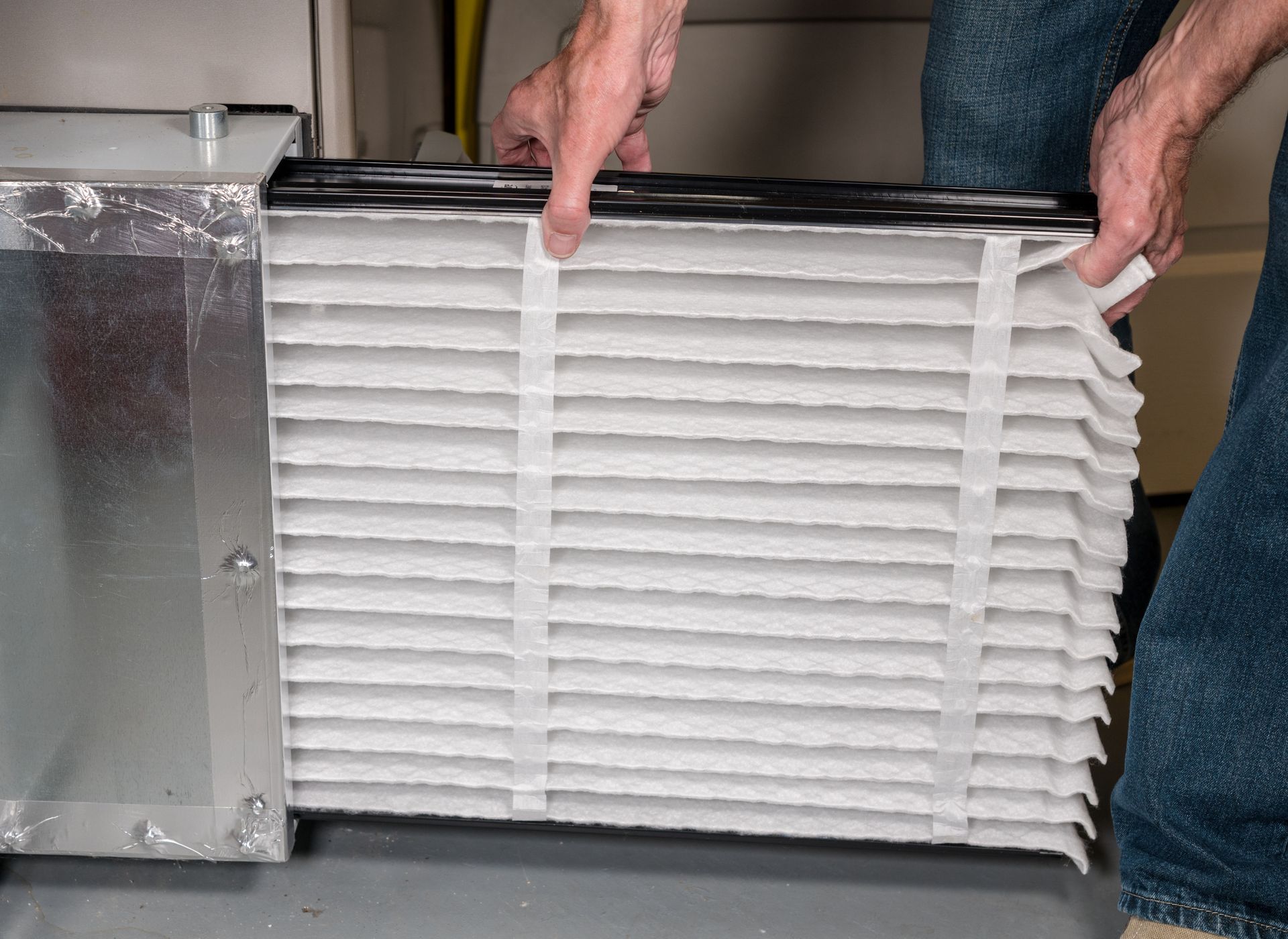
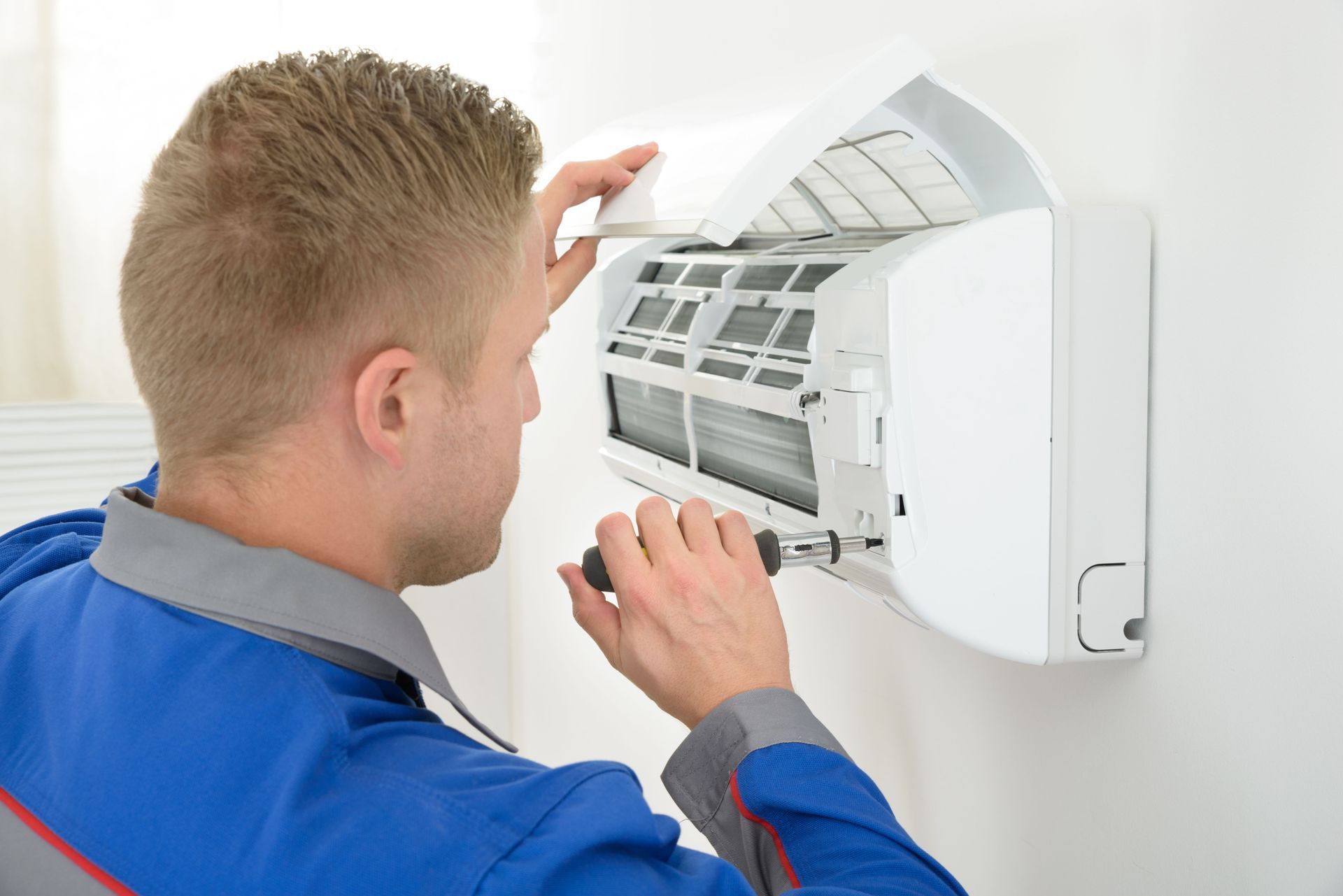
Efficiency is not a one-time achievement; it depends on how well a system is maintained over time. Regular inspections, filter changes, and performance checks help keep systems operating as designed. Heating services that emphasize preventive maintenance reduce the likelihood of small issues developing into larger problems that compromise efficiency and comfort.
Seasonal maintenance is especially important before peak heating periods. Cleaning components, checking airflow, and verifying control settings help ensure that systems are ready to perform when temperatures drop. These steps support steady operation and reduce the risk of unexpected breakdowns during colder months. Consistent care also helps maintain energy efficiency, as systems free of debris and obstructions require less effort to produce heat.
Maintenance plans can provide structure and consistency for homeowners who prefer a proactive approach. Heating services that offer scheduled maintenance help simplify system care and support long-term performance. Over time, this attention contributes to smoother operation, more predictable energy use, and a longer system lifespan.
Integrating Energy-Saving Controls and Upgrades
Modern controls and system enhancements can further improve heating efficiency when integrated thoughtfully. Programmable and smart thermostats allow households to adjust temperatures based on daily routines, reducing energy use during unoccupied periods. Heating services that include guidance on control selection and setup help ensure that these tools are used effectively rather than becoming underutilized features.
Zoning systems offer another opportunity for efficiency by directing heat only where it is needed. This approach can be particularly beneficial in larger homes or properties with varied usage patterns. By working with heating services to design and implement zoning, homeowners can achieve more targeted comfort while minimizing wasted energy.
Additional upgrades, such as improved insulation or sealing air leaks, complement system efficiency. While these improvements may fall outside the core heating system, they significantly influence how well heat is retained. Heating services that consider the home as a whole support a more comprehensive efficiency strategy, aligning equipment performance with building conditions.
Planning for Long-Term Performance and Value
Efficient heating decisions should be evaluated not only for immediate comfort but also for their long-term implications. Energy costs, maintenance requirements, and potential system updates all factor into overall value. Heating services that provide clear information about expected performance over time help homeowners make choices that align with long-term household goals.
Warranty coverage and service support are also important considerations. Understanding what is included and how future needs will be addressed adds clarity to the decision-making process. Heating services that communicate these details clearly help homeowners plan for the full lifecycle of their system rather than focusing solely on initial installation.
As energy standards and technologies continue to evolve, flexibility becomes increasingly valuable. Systems designed with adaptability in mind can accommodate future upgrades or changes in energy sources. By selecting heating services that emphasize thoughtful planning and clear communication, households can position themselves for sustained efficiency and comfort.
Efficient heating is the result of informed choices, careful planning, and consistent support. By understanding household needs, comparing system options, prioritizing proper installation, and maintaining systems over time, homeowners can create a heating strategy that balances performance and practicality. Heating services play a central role in this process, guiding decisions that influence comfort and energy use for years to come. Call Oeffinger Crone Heating & Cooling Inc. today to schedule your heating or cooling service.